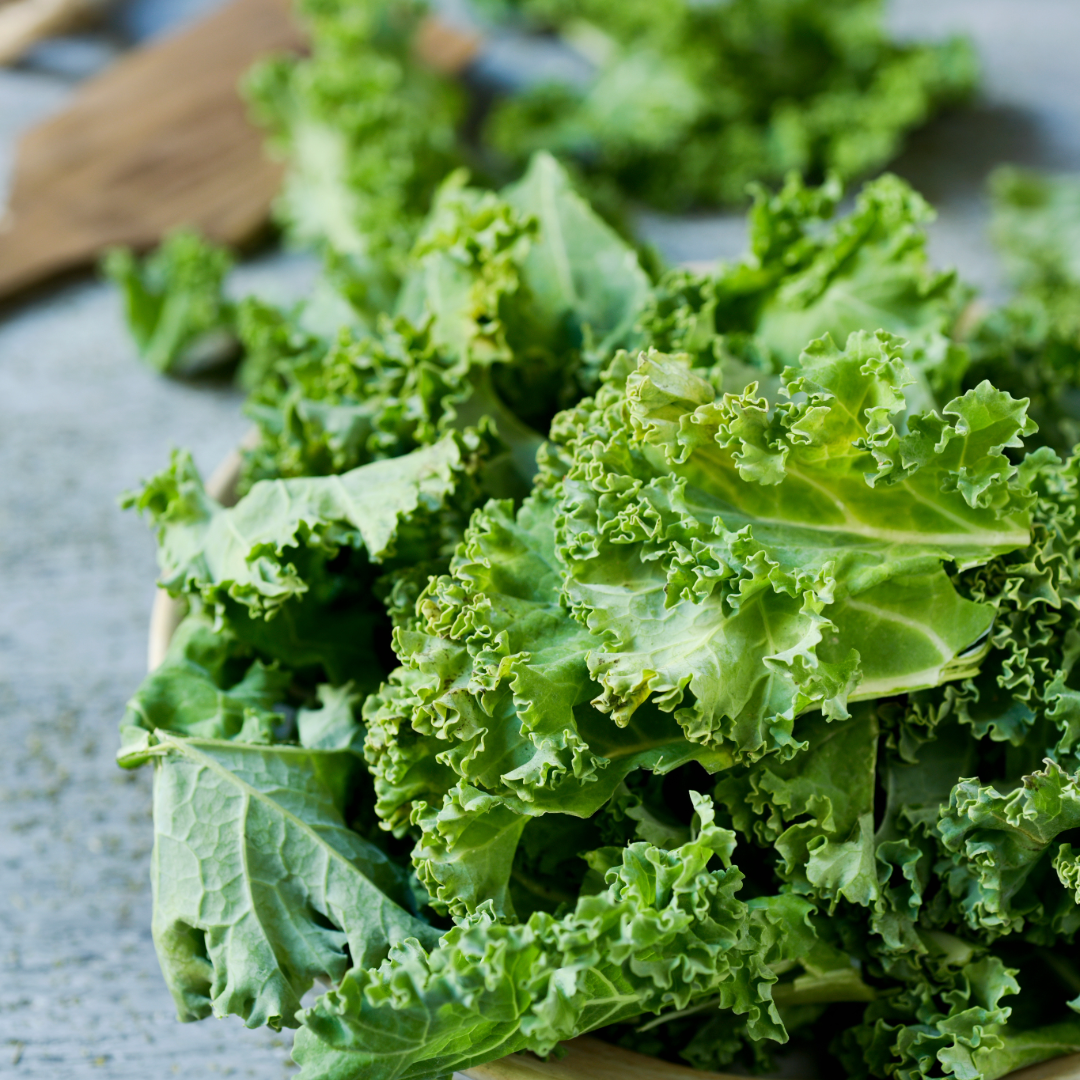
I’ve ordered kale in restaurants more than once — and ended up in so much stomach pain I could barely walk home. Which is confusing, right?
Kale is labeled a superfood. It’s on every “therapeutic foods” list.
It’s praised for detox, antioxidants, fiber, and anti-inflammatory benefits.
So what gives?
Let’s separate two very important things:
- Is kale high in histamine?
- Is kale easy to digest?
Is Kale High in Histamine?
No.
All common varieties of kale are considered low histamine, including:
- Curly kale
- Lacinato (Dinosaur/Tuscan) kale
- Red Russian kale
- Baby kale
Kale is:
- Not fermented
- Not aged
- Not typically high in biogenic amines
On most low-histamine food lists, it’s categorized as safe.
So from a strict histamine-content standpoint:
Yes — kale is generally compatible with a low-histamine diet.
But that does not guarantee tolerance.
Then Why Does Kale Bother Some People?
Because histamine intolerance is not only about histamine.
Kale is:
- High in insoluble fiber
- Tough and fibrous (especially curly kale)
- A cruciferous vegetable (contains glucosinolates and sulfur compounds)
- Harder to break down when eaten raw
If your gut is inflamed, sensitive, or already overwhelmed, a large kale salad can feel like swallowing scrub brushes.
Severe cramping, gas, or abdominal pressure after kale often points to:
- Mechanical irritation
- Fiber overload
- Fermentation in the gut
- Nervous system activation from digestive stress
And here’s the important piece:
Mast cells live in high concentrations in the gut lining.
If the gut is irritated, mast cells can activate — and that activation can increase histamine symptoms.
So while kale itself is low histamine, digestive stress can indirectly raise histamine signaling in sensitive individuals.
Raw vs Cooked Kale
Raw Kale
Raw kale is the most difficult form to digest.
It contains:
- Intact, tough plant cell walls
- Dense insoluble fiber
- Thick stems
Large raw kale salads are the most common trigger for cramping and bloating.
Even “massaged” kale can still be too much for sensitive digestion.
Cooked Kale
Cooking changes everything.
When kale is cooked thoroughly:
- Fiber softens
- Cell walls break down
- Mechanical irritation decreases
- It becomes easier to digest
If someone wants to experiment with kale, cooking is essential.
Which Variety Is the Most Gentle?
Not all kale feels the same in the body.
Most gentle → Most tough
- Baby kale – tender leaves, lowest fiber density
- Lacinato (Dinosaur) kale – flatter and softer than curly
- Red Russian kale – moderately fibrous
- Curly kale – thick, dense, most likely to cause discomfort
If you’ve struggled with kale, curly kale in a giant salad is usually the hardest place to start.
A quick note about Kaleettes
If you’ve ever spotted kaleettes at a farmers market — those tiny, frilly crosses between kale and Brussels sprouts — you may notice they feel very different in the body.
Kaleettes (sometimes called flower sprouts) are still part of the cruciferous family and are considered low histamine, just like kale.
But they’re:
- Smaller and more tender
- Less fibrous than curly kale
- Usually cooked (not eaten raw)
- Served in smaller portions
That combination alone can make them much easier to tolerate.
If you’ve struggled with raw kale salads but feel fine with roasted kaleettes, that’s useful information. It suggests the issue may be dense, raw fiber — not the entire kale family.
Roasting until soft and slightly caramelized makes a big difference. Undercooked cruciferous vegetables are far more likely to cause gas and pressure.
Sometimes it’s not the vegetable. It’s the preparation.
What About Kale Microgreens?
Kale microgreens are very different from mature kale.
They are:
- Harvested young
- Tender
- Lower in total fiber per serving
- Less mechanically irritating
From a histamine standpoint, they are also considered low histamine.
Because the serving size is small and the texture is softer, microgreens are often much easier to tolerate than a large bowl of mature kale.
If experimenting:
- Start with 1–2 tablespoons
- Add to eggs or avocado toast
- Monitor how you feel over 24 hours
Fiber Content: Why It Matters
One cup of raw mature kale contains about 2–3 grams of fiber, mostly insoluble.
Insoluble fiber:
- Adds bulk
- Speeds transit
- Can aggravate an inflamed or sensitive gut
For women navigating histamine intolerance, sudden increases in insoluble fiber can trigger:
- Bloating
- Cramping
- Gas
- Nervous system reactivity
And when the nervous system is already on edge, digestion often becomes more reactive.
So… Can I Eat Kale If I Have Histamine Intolerance?
From a histamine perspective:
Yes — kale is generally low histamine.
From a digestive perspective:
It depends.
If kale causes severe cramping or distress, that is meaningful information.
There is no nutritional requirement that says you must eat kale to be healthy.
There are many ways to get:
- Folate
- Vitamin K
- Antioxidants
- Fiber
Healing is not about forcing superfoods.
It’s about listening to your body.
If you’re ready to feel steadier with food and symptoms,
Get the free guide: Living Well with Histamine Intolerance.
